

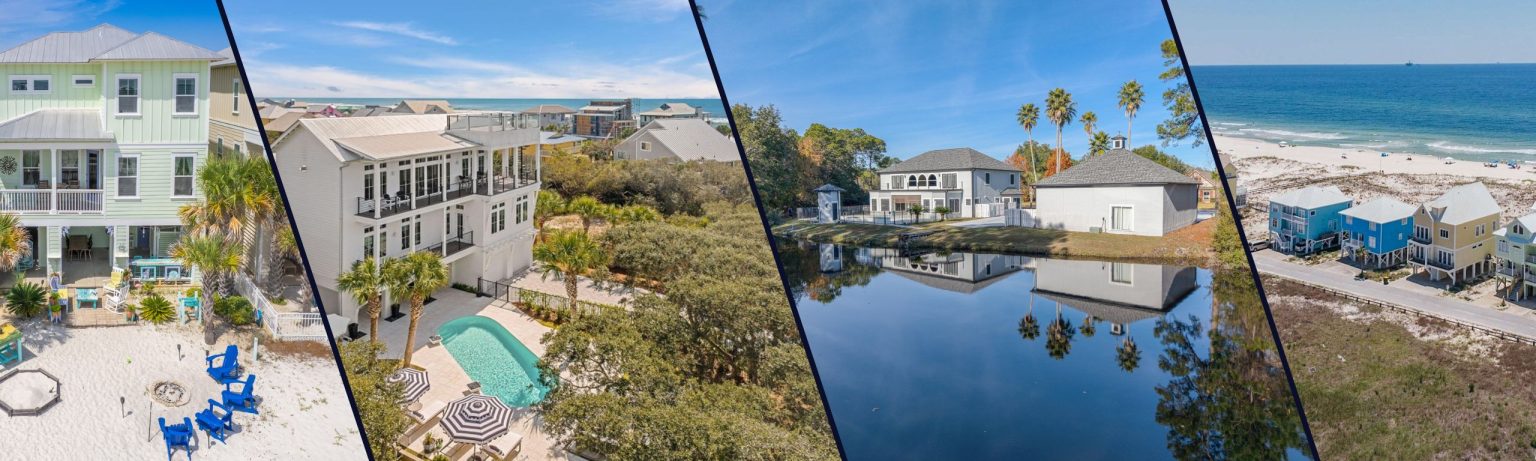
Buying a home on the water is exciting, but following key beachfront property tips can make the difference between a smooth investment and unexpected problems. Coastal living offers stunning views, direct access to the beach, and a unique lifestyle that many dream of, but it also comes with responsibilities and considerations that inland properties do not face. From understanding environmental risks to planning for maintenance, insurance, and lifestyle factors, informed buyers can avoid costly mistakes and fully enjoy the perks of living near the ocean. Whether you’re looking for a permanent residence, a vacation home, or a rental investment, having a clear understanding of what to expect is essential for making a confident purchase.


1. Beachfront Property Tips for Managing Coastal Risks
Owning a beachfront home comes with unique risks such as erosion, hurricanes, and flooding. Research the area’s history, including past storm events and shoreline changes, and consult local building codes to understand potential hazards. Flood zones and storm surge maps from the FEMA website can provide valuable insights: https://www.fema.gov. Consider investing in impact-resistant windows, elevated structures, and proper landscaping to reduce the effects of coastal storms.
2. Insurance and Maintenance Costs
Beachfront homes often require specialized insurance policies that cover hurricane damage, flooding, and high winds. Maintenance can also be more intensive due to the corrosive effects of salt air on metal, wood, and paint. Routine inspections, pressure washing, and sealing surfaces regularly are essential. Planning for these expenses early ensures your beachfront investment remains in top condition and protects your long-term property value.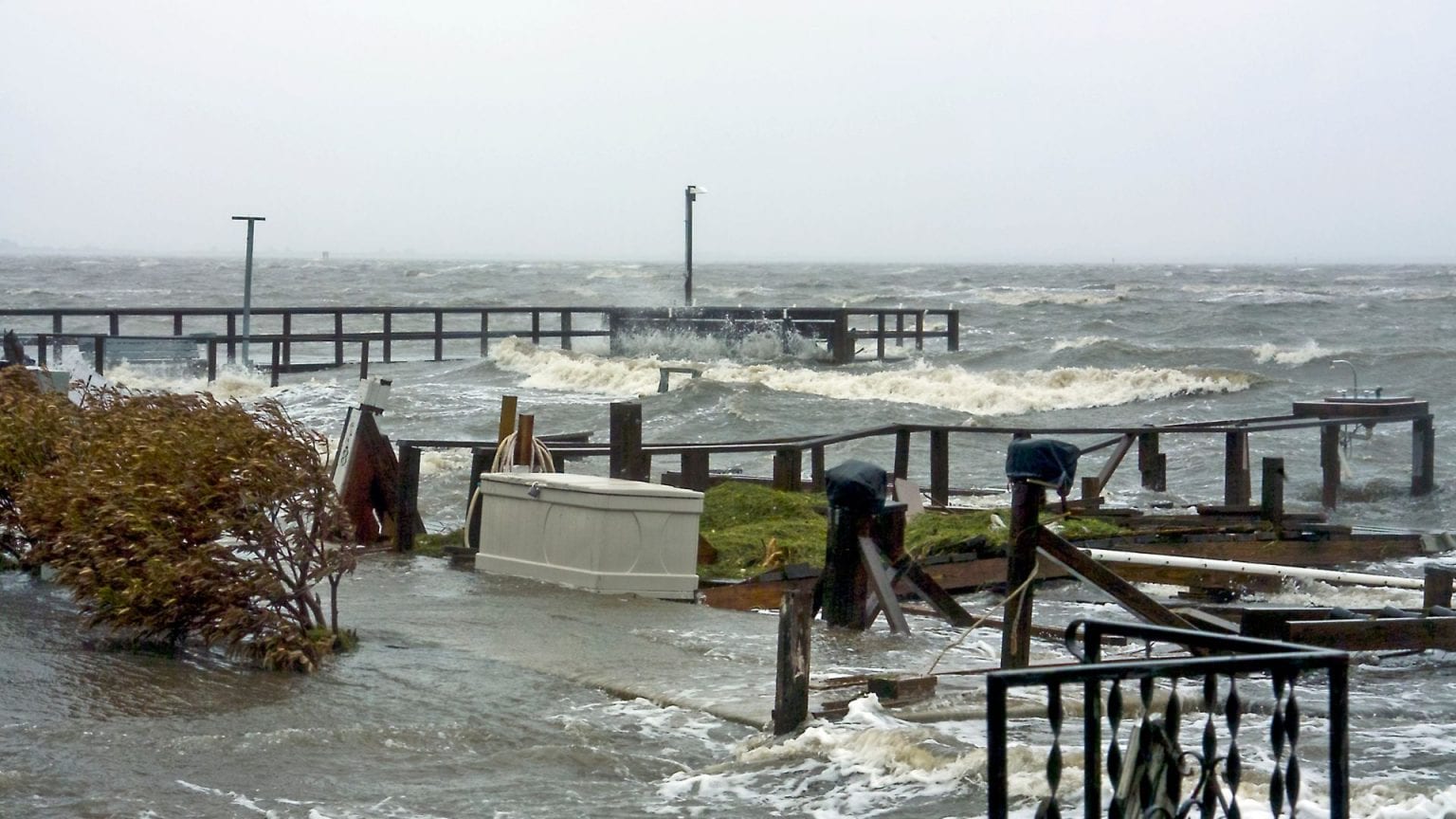
3. Local Regulations and Zoning Considerations
Many coastal areas have strict zoning laws and environmental regulations designed to protect natural habitats and prevent erosion. Check for permits required for construction, renovations, or beachfront modifications. Understanding these rules upfront prevents fines, delays, and potential legal issues. Local planning offices and real estate professionals can provide guidance specific to each community.
4. Evaluate Accessibility and Lifestyle Factors
Consider how accessible the beach, local shops, restaurants, and recreational facilities are. Private or community beaches may have restrictions, and high tides or seasonal changes can impact daily enjoyment. Evaluate parking, safety, and convenience to ensure the property fits your lifestyle needs. Beachfront living is not just about the view but also the ease and enjoyment of coastal living.