

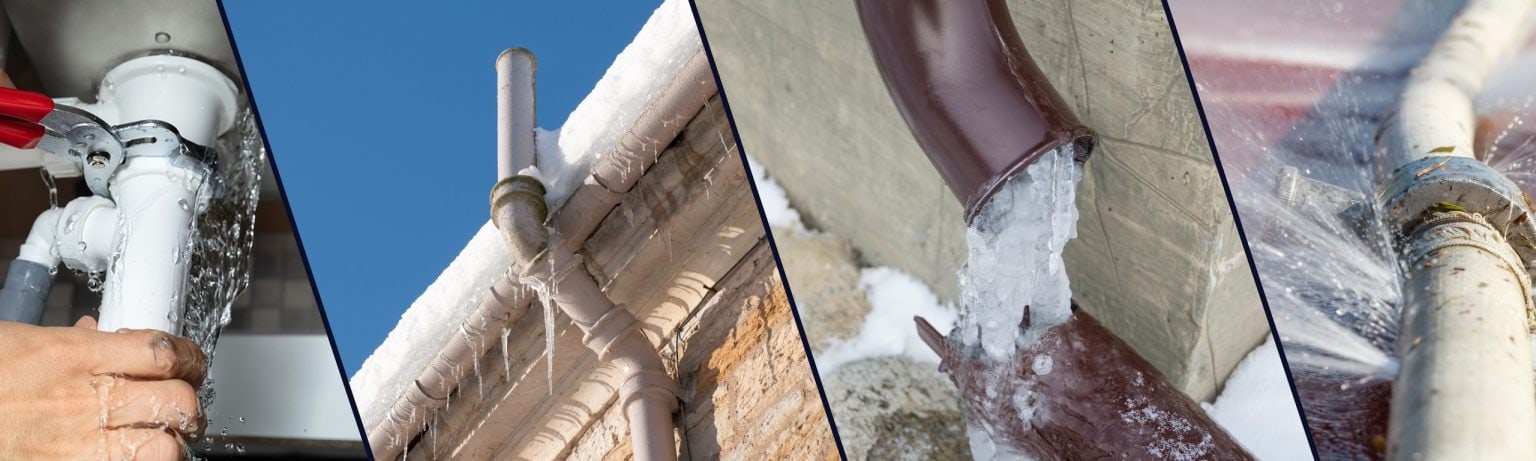
While winters along the Florida Gulf Coast are usually mild, occasional freezing temperatures can still pose a serious risk to homes—especially when it comes to plumbing. Freeze pipe protection is often overlooked, which is why even a short cold snap can lead to burst pipes, water damage, and expensive repairs.
Whether you’re a longtime local or new to the area, taking proactive steps before temperatures drop can save you stress and money.
Why Freezing Temperatures Are a Risk in Florida
Many Gulf Coast homes aren’t built for prolonged cold weather. Pipes may run through attics, exterior walls, garages, or crawl spaces without insulation. When temperatures dip below freezing for several hours, water inside those pipes can freeze, expand, and cause the pipe to crack or burst.
The result often isn’t noticed until temperatures rise—when water starts leaking into walls, ceilings, or floors.

Freeze Pipe Protection Tips for Homeowners
1. Protect Exposed Pipes
Wrap exposed pipes with foam insulation or heat tape, especially those in unheated areas. This is one of the most effective freeze pipe protection steps you can take.
2. Let Faucets Drip
Allowing a slow drip from faucets connected to exterior or vulnerable pipes helps prevent pressure buildup and freezing.
3. Disconnect and Cover Outdoor Faucets
Remove garden hoses, drain them completely, and cover outdoor spigots with insulated faucet covers.
4. Keep Your Home Warm
Set your thermostat to at least 65°F, even if you’re away. Open cabinet doors under sinks to allow warm air to circulate around plumbing.
5. Seal Drafts and Air Leaks
Check doors, windows, and garage areas for drafts. Use weatherstripping or draft stoppers to keep cold air out.
6. Protect Plants and Pets
Bring sensitive plants indoors and make sure pets are kept warm and safe during freezing conditions.