travistalley@gmail.com
    850-490-1519

The Talley Group

Keller Williams Realty Gulf Coast

  • Home
  • Communities
    • Pensacola Beach
    • Gulf Breeze
    • Pensacola
    • Navarre/Navarre Beach
    • Destin
    • 30A
    • Gulf Shores
    • Miramar Beach
    • Santa Rosa Beach/30A
    • Pace/Milton
    • Orange Beach
    • Perdido Key
  • Sellers
    • Find Out What Your Home Is Worth
    • 8 Steps to Selling a Home
    • Practicing Good Seller’s Etiquette
    • Sell and Make a Profit
    • Staging Tips
  • Buyers
    • Location, Location, Location
    • 8 Steps to Buying a Home
    • The 5 Most Important Things to Consider When Buying a Luxury Home
    • Deciding How Much House You Can Afford
    • Home Buying Tips
  • Meet the Team
  • Careers
    • Licensed Agent
    • Inside Sales Associate (ISA)
    • Licensed Showing Assistant
    • Transaction and Closing Coordinator
    • Listing Manager
    • Client Services
    • Marketing Assistant
  • Blogs

Freeze Pipe Protection Essential Tips

January 09, 2026 | Travis Talley

While winters along the Florida Gulf Coast are usually mild, occasional freezing temperatures can still pose a serious risk to homes—especially when it comes to plumbing. Freeze pipe protection is often overlooked, which is why even a short cold snap can lead to burst pipes, water damage, and expensive repairs.

Whether you’re a longtime local or new to the area, taking proactive steps before temperatures drop can save you stress and money.

Why Freezing Temperatures Are a Risk in Florida

Many Gulf Coast homes aren’t built for prolonged cold weather. Pipes may run through attics, exterior walls, garages, or crawl spaces without insulation. When temperatures dip below freezing for several hours, water inside those pipes can freeze, expand, and cause the pipe to crack or burst.
 

The result often isn’t noticed until temperatures rise—when water starts leaking into walls, ceilings, or floors.
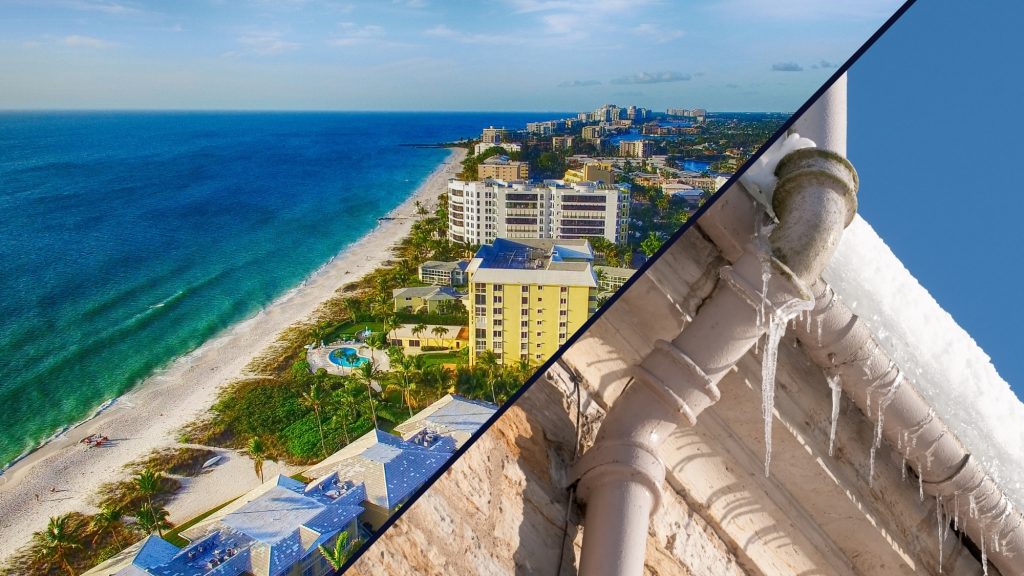
Freeze Pipes Protection

Freeze Pipe Protection Tips for Homeowners

1. Protect Exposed Pipes
Wrap exposed pipes with foam insulation or heat tape, especially those in unheated areas. This is one of the most effective freeze pipe protection steps you can take.

2. Let Faucets Drip
Allowing a slow drip from faucets connected to exterior or vulnerable pipes helps prevent pressure buildup and freezing.

3. Disconnect and Cover Outdoor Faucets
Remove garden hoses, drain them completely, and cover outdoor spigots with insulated faucet covers.

4. Keep Your Home Warm
Set your thermostat to at least 65°F, even if you’re away. Open cabinet doors under sinks to allow warm air to circulate around plumbing.

5. Seal Drafts and Air Leaks
Check doors, windows, and garage areas for drafts. Use weatherstripping or draft stoppers to keep cold air out.

6. Protect Plants and Pets
Bring sensitive plants indoors and make sure pets are kept warm and safe during freezing conditions.

What To Do If a Pipe Freezes

If you suspect a frozen pipe:
– Keep the faucet open
– Apply gentle heat using a hair dryer or warm towels
– Avoid open flames or high-heat devices

If a pipe bursts, shut off your home’s main water supply immediately and contact a licensed plumber.
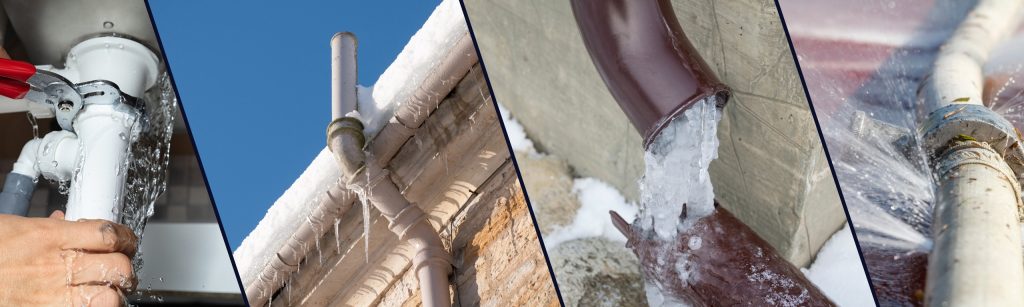
Essential Tips for Frozen Pipes

Local Resources for Freeze Preparation

For weather updates and freeze warnings:

National Weather Service

For general emergency preparedness tips:

American Red Cross

Freezing temperatures may be rare in our area, but preparation makes all the difference. Taking a few simple steps now can help prevent costly repairs later. When it comes to freeze pipe protection, being proactive is always better than being reactive.

Stay safe, stay warm, and don’t hesitate to reach out if you need local guidance or support.

Posted in: Expert Tips and Recommendations, Seasonal Tagged: 2026, Alabama, florida, Freeze Pipes Tips, home tips, the talley group, tips

Winterizing Checklist: Prepare Your Home for Cold Weather

January 04, 2025 | Travis Talley

As temperatures drop, following a winterizing checklist to prepare your home for cold weather is essential to prevent damage and maintain comfort. Proper preparation ensures your home stays warm, your plumbing stays intact, and energy efficiency is maximized throughout the colder months. Here’s a comprehensive guide to help you get started!

When to Winterize?

  • 32°F (0°C): Water starts to freeze, so act fast to protect pipes.
  • 20°F (-6°C): Poorly insulated pipes are especially vulnerable to freezing and bursting.
  • Duration Matters: If freezing temps persist for over 24 hours, even well-insulated homes may need extra precautions.

1. Insulate Exposed Pipes

Pipes located in unheated areas like crawl spaces are susceptible to freezing. Insulating these pipes can prevent bursts and maintain water flow. For a step-by-step guide on insulating pipes in crawl spaces, consider watching this tutorial.

  • Tasks:
    • Insulate exposed pipes in crawlspaces, basements, and attics.
    • Disconnect and drain outdoor hoses.
    • Install outdoor faucet covers and let indoor faucets drip during freezing temperatures.
    • Drain and winterize irrigation systems.
  • Materials Needed: Pipe insulation foam, heat tape, and faucet covers.

2. Prepare Your HVAC System

Ensuring your heating system is in top condition is crucial for energy efficiency and reliability during the cold months. Regular maintenance can prevent unexpected breakdowns. For detailed tips on preparing your HVAC system for winter, refer to this guide.

3. Seal Gaps and Cracks

Inspect your home for any gaps or cracks, especially around windows and doors. Sealing these openings with weather stripping or caulk can prevent drafts and improve energy efficiency.

  • Check windows, doors, and utility openings for leaks.
  • Apply weather stripping, caulking, or expanding foam to seal gaps.

4. Clean Gutters and Downspouts

Clogged gutters can lead to ice dams, which may cause water damage. Ensure gutters and downspouts are clear of debris to allow proper drainage. Here are some other preparations you can get started on:

  • Cover outdoor furniture and grills.
  • Trim branches that could snap under snow or ice.
  • Shut off the main water supply and drain pipes.
  • Add RV antifreeze to toilets and drains

5. Test Smoke and Carbon Monoxide Detectors

With increased use of heating systems, the risk of fire and carbon monoxide exposure rises. Test all detectors and replace batteries as needed to ensure safety. Prepare space heaters and generators for power outages.

Want to hear directly from the experts at The Talley Group?
thetalleygroup@kwluxuryhomes.com
(850) 490-1519

Sources for Further Reading

  • Understanding Home Insulation & Its Benefits: Energy.gov
  • Why Smoke and Carbon Monoxide Detectors Matter: National Fire Protection Association
  • How Wind Chill Affects Outdoor Equipment: National Weather Service
  • Emergency Kit Essentials for Power Outages: Red Cross

By following these steps, you’ll safeguard your home from winter’s worst and enjoy a stress-free season. Don’t wait until temperatures plunge—start winterizing today!

Meet the Team

Meet the team of experts who are all excited to work with you and your real estate goals!

Click Here

Posted in: Expert Tips and Recommendations, Seasonal Tagged: cold weather, frozen pipes, guide, home tips, real estate, tips, winter, winter preparations, winter tips

C: 850-490-1519 | O: 850-916-5800
913 Gulf Breeze Pkwy., Suite 44
Gulf Breeze, FL 32561

  • Facebook
  • Instagram
  • YouTube
  • Twitter
  • LinkedIn
  • Yelp
Get in Touch
I agree
Site created by Michael Tritthart Team. | View Privacy Policy